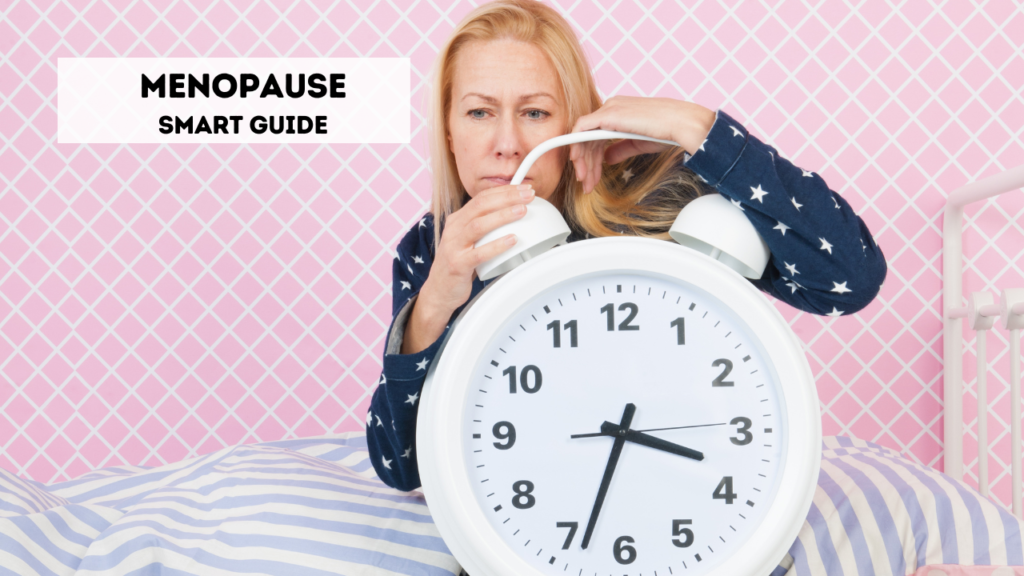
Every woman will experience menopause, with the first signs generally noticed in their early 40s. This article shall elaborate on the situations regarding the woman at the age of ceasing menstruation.
What is Menopause?
Menopause is the cessation of menstruation in women, usually occurring between the ages of 45 to 55, marking the end of a woman’s reproductive age and the start of the elderly stage in her life.
Before menopause take place in women, there is mostly an irregular cycle; this is known as perimenopause, and people usually experience such between ages of 46 to 55. According to Dr. Samiira Ahmed Amoore, a doctor of women’s health at Rajab Tayib Erdogan Hospital, the explanation for period cessation is the drop in the number of eggs along with a consequent reduction in body secretions that accompany menstruation. Hormones, especially estrogen, the chief regulator of menstruation, experience many changes.
Signals of Menopause
Since every woman goes through this stage differently, the decline of estrogen in the body is what primarily affects the entire scope of menopausal symptoms. Menopausal symptoms include:
- Irregular periods
- Hot flashes with sweating—mostly on different parts of the body
- Night sweats
- Insomnia
- Mood swings and irritability
- Changes in skin, such as dryness and aging
- Vaginal dryness or discharge
- Joint pain.
Despite not all women experiencing these signs, it is widely quoted that around 75 percent of women will have them.
Tips for Coping with These Symptoms
Dr. Samiira mentions that menopause symptoms can be managed in various ways, including:
- Hormonal therapy-restoring the body’s natural hormonal equilibrium, bringing on a reduction in symptoms like hot flashes.
- Vitamin supplements such as calcium and vitamin D may support sufficient bone strength and impair its chances of developing brittleness.
- Balanced diet, good in calcium and low in fat that maintains bones’ whirl and strength.
- Regular exercise for stress reduction, mood enhancement, and involvement in alleviating physical discomfort.
- Smoking cessation to eliminate the risk of heart disease and minimize the risk of experiencing the more severe symptoms of hot flashes.
Why Hide Menopause?
Many women prefer to hide their transitions in menopause due to ignorance and misconceptions regarding menopause, said Dr. Samiira Amoore.
“When women experience hot flashes, burning sensations, and joint pain, they may not consider that they are going through menopause. Instead, they might blame other ailments like high cholesterol or joint disease for these symptoms,” she says.
Some women, especially those who are still hoping to forge families of their own, could also conceal their menstruation status. Dr. Samiira explains that some women do not seek medical help due to the fear of being told that they have run out of eggs and are thus about to undergo menopause, which could be terribly overwhelming for them.
But Dr. Samiira stresses that menopause is nothing to be ashamed of; it is a natural phase that each woman goes through. He recommends that the man should seek medical advice if she suspects she is undergoing menopause and not shy away from it.
Conclusion
Menopause is a natural process in a woman’s life which may come with physical and emotional challenges but that is a part of life. Knowing the symptoms of menopause and treatment for this phase may be an effective way to manage this stage. A woman should not be ashamed to admit she is no longer menstruating, nor should she go into hiding about her status, but rather, she should seek outside counsel for help in raising hell during her transition into this new phase of life.