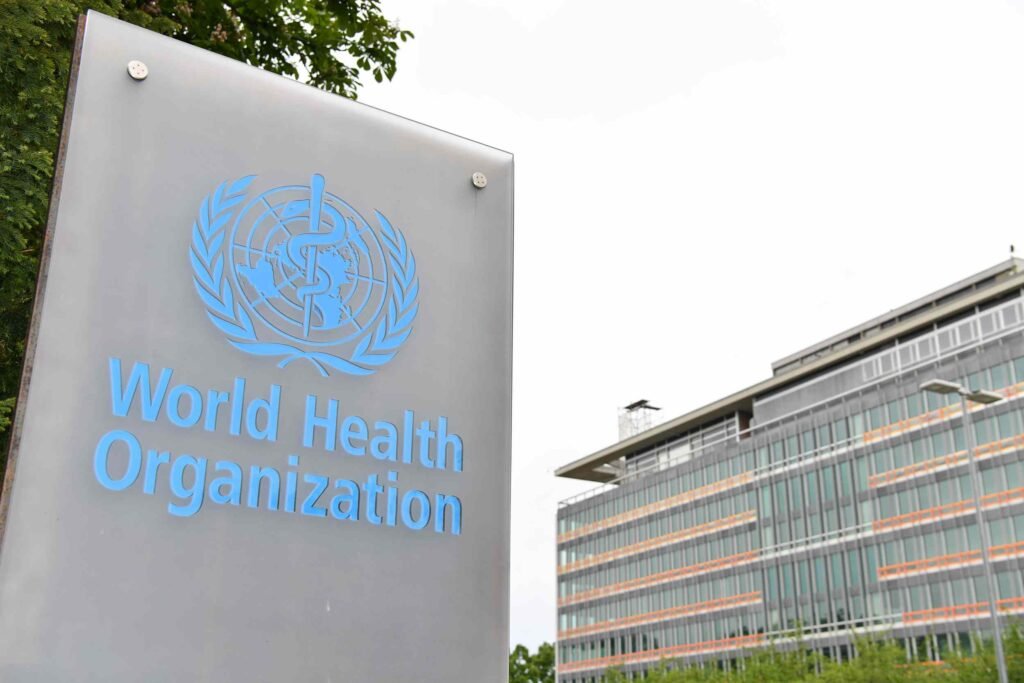
In his most audacious political move, President Donald Trump signed the executive order for the U.S. withdrawal from the World Health Organization on January 22, 2025. This will create a different trajectory in global health diplomacy as the United States was among the heaviest underwriters of the WHO for the past several decades. Opponents worry that such a move may dismantle broader systems of health programs internationally and further delay responses to the pandemics and crises around the world.
The pullout has been a hot topic of debate, with the proponents saying this reduces discretionary spending in order to reroute said resources for domestic health priorities. In contrast, the naysayers warn of subtle, far-reaching consequences. According to experts, without U.S. funding, malaria, tuberculosis, and vaccine distribution programs would simply collapse in poorer countries.
The gaps that exist in pandemic preparedness and response are particularly tied to international outbreaks and have raised the level of concern among health officials around the world. Within that climate, many call for urgent discussions to be held to plug what the U.S. has left, while a highly relevant question remains for the global health community to consider: who will fill the leadership gap?