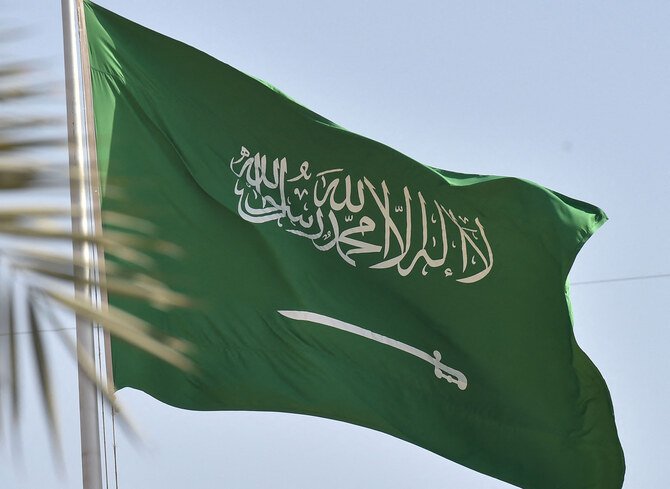
By choosing Saudi Arabia as a venue for key talks on Ukraine, the Trump administration has underscored just how far the kingdom has come since it emerged from its self-imposed diplomatic exile following the 2018 murder of journalist Jamal Khashoggi. While international forums still discuss the alleged human rights violations by the Arabian kingdom, the specter of that act has lessened and has allowed the kingdom to play a more critical role on the global stage.
Saudi Arabia has substantially raised her influence around the world by heavily investing in entertainment, sports, and diplomacy. Under President Biden, the kingdom began incrementally distancing itself from its historical attachment to the U.S. and instead moving closer to Russia and China. This shift symbolizes a prioritization of its own interests against the Western alignment.
The return of Trump to the White House marked the end of cold relations between Saudi Arabia and the U.S., having experienced obvious ties that were strongly cultivated during his tenure. One of his bold initiatives was calling for reconciliation between Saudi Arabia and Israel; however, that initiative turned out to be derailed by the fighting in Gaza. Saudi Arabia has countered, through its own panel, a long-running plan for a two-state solution to the Israeli-Palestinian conflict.
Saudi Arabia’s foreign policy remains stable as high-level Russian officials, led by Foreign Minister Sergei Lavrov, visit the kingdom. The discussions in Saudi Arabia scheduled for Tuesday will also cover the ongoing conflict in Ukraine, with a decided prospect of a meeting between Presidents Putin and Trump. This situation illustrates the emergence of Saudi Arabia as a mediator in global affairs and hence the probable increase of her influence in the future.