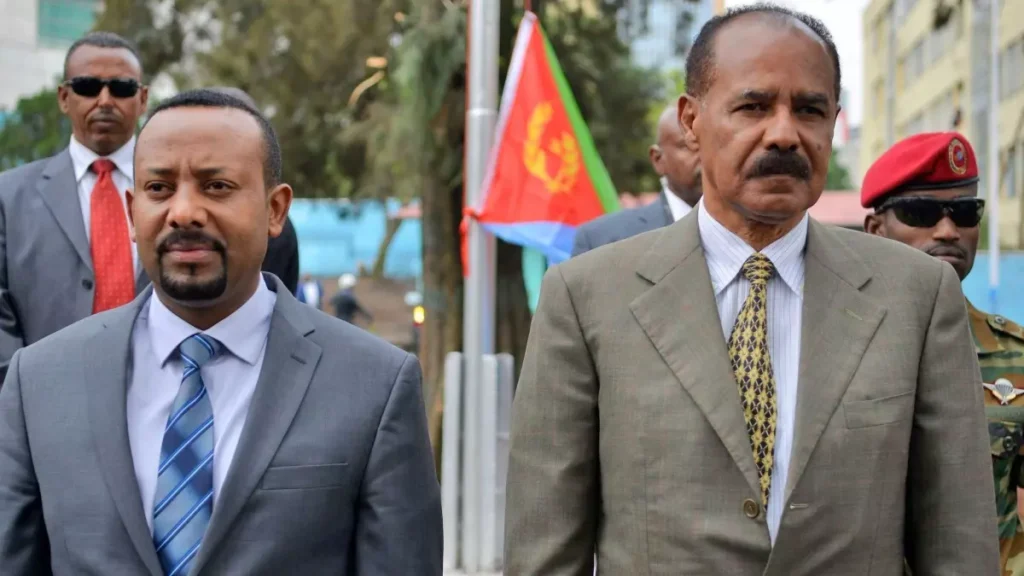
The deterioration in the relationship between Ethiopia and Eritrea has heightened concern that there may be an outbreak of armed conflict. The reconciliation that stunned the world only five years ago has faded, and the two countries are beginning to lay blame for the political and security challenges they face.
Signs of Tensions Heating Up
Dr. Mulatu Tashoma, a former official in the Ethiopian government, recently clued in on the political dynamics underlying relations between the two countries, claiming there may have been rising hostilities. He responded by claiming that these statements were purely personal opinions and, however, did further raise concern about Ethiopia-Eritrea relations.
Eritrea quickly denied the allegations through Yemane Gebremeskel, its Minister of Information, who also called them false. Still, the tension is palpable to a political observer aware of currents rising.
Eritrea has recalled and mobilized its reserve army.
Eritrean opposition groups held a conference recently in Addis Ababa, Ethiopia.
Reports suggest that some secret discussions were held between Eritrean officials and members of Ethiopia’s former Rulers, the TPLF, in Asmara.
Decline of the Pact
The peace agreement between Ethiopian Prime Minister Abiy Ahmed and Eritrean President Isaias Afwerki was historic and saw several relations between the two put on favorable ground. Even Eritrea rallied up for the Ethiopian federation during the Tigray war. But later, Eritrea expressed its dissatisfaction for Ethiopia’s retreat from Tigray and the Pretoria ceasefire agreement.
Perhaps things are getting worse between the two:
- Ethiopian Airlines has suspended its flights to Asmara.
- Services of both Asham and Ethiopian bodies have been cut.
- Eritrea has forged ties with Egypt, Somalia, and others, betraying a possible shift in alignments.
Could Ethiopia and Eritrea Go to War?
Despite different views of analysts concerning the extent of escalation between the two countries, it appears unlikely for a large-scale war to break out. Baisa Waqwaya, an expert in international law, believes that while political leaders may be in conflict, the people of Ethiopia and Eritrea do not want war. He commented:
“People in both countries do not want war. They would want peace and live amicably.”
Contrarily, experts opined if Ethiopia would make the delicate step of the dispute with the Red Sea an opportunity to draw domestic opinion away from its internal problems.
The Role of the TPLF in the Tensions
Relations between Ethiopia and Eritrea are influenced by the TPLF in Tigray. The reports claim that top TPLF leaders have held clandestine talks with Eritrean leaders, causing even more alarms in Ethiopia.
While these claims remain unverified, some sources suggest Eritrea may be preparing to offer military support to the TPLF should the conflict further intensify.
Who Could Mediate?
Should tensions escalate further, the next major question is: who will step in?
- Turkey: It has acted as a mediator in previous disputes in these lands.
- Western Nations: They are concerned but have not entered the diplomatic action lane, at least for now.
- Eritrea: Given Eritrea’s history of suffering hugely in past wars, it might feel wary of escalating tensions into another one.
Conclusion
The relationship between Ethiopia and Eritrea is now at a most critical point – without the intervention of diplomacy, tensions may continue to build. While some signs flashed for possible scuffles, citizens from either side however seem to disagree on venturing in the theatre of war.
But, in case conflicts flared up anyway, resultant effects could shake the delicately balanced Horn of Africa and beyond. The months to come are pivotal in determining whether diplomacy can work on or if it shall face a new deadly confrontation in the region.