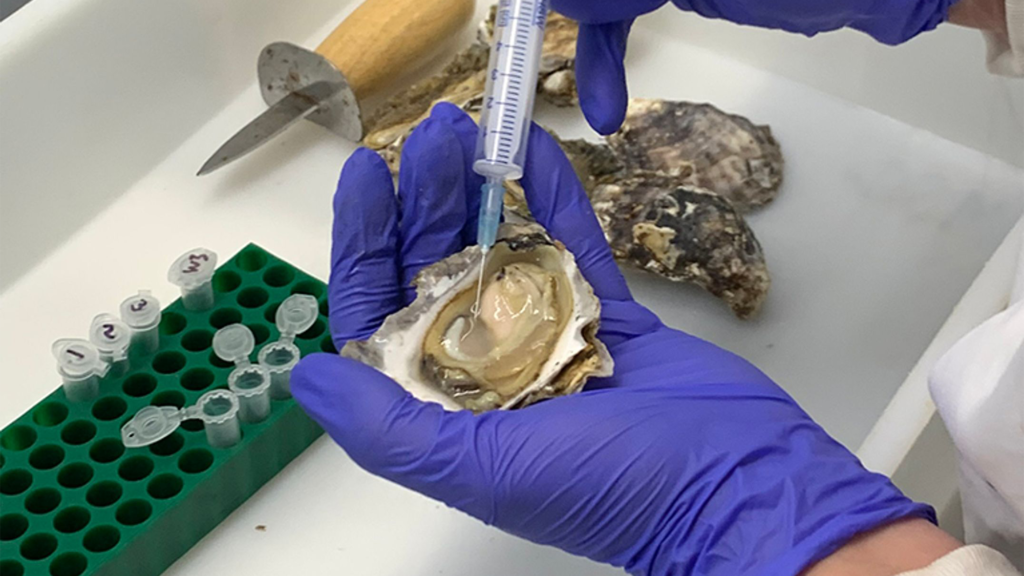
In the blood of the Sydney rock oyster, scientists in Australia have discovered a protein that exhibits strong antibacterial activity. This finding is of particular significance because antimicrobial resistance (AMR) is such a serious threat to global health. The protein from the oyster kills bacteria and strengthens the function of some antimicrobials, thus possibly providing double weaponry in the fight against resistant infections.
The research findings from Southern Cross University confirmed that the oyster protein can destroy biofilms, which are shields made by bacteria to protect themselves from common antibiotics-a form of treatment used against diseases caused by microbes. By severing such shields, a variety of antibiotics can require less time to penetrate a bacterial colony and kill the bacteria more efficiently. There are indications from laboratory tests that this protein is not toxic to healthy human cells-mapping its potential use in therapy.
Although the data thus far seem promising, still, further studies need to certify the safety of the protein and its effectiveness for humans. If these held true, this natural compound could be designed into a new instrument to delay the rise of AMR. In the interim, eating oysters for their zinc, beneficial fatty acids, and vitamins may be a way to boost your immune system.