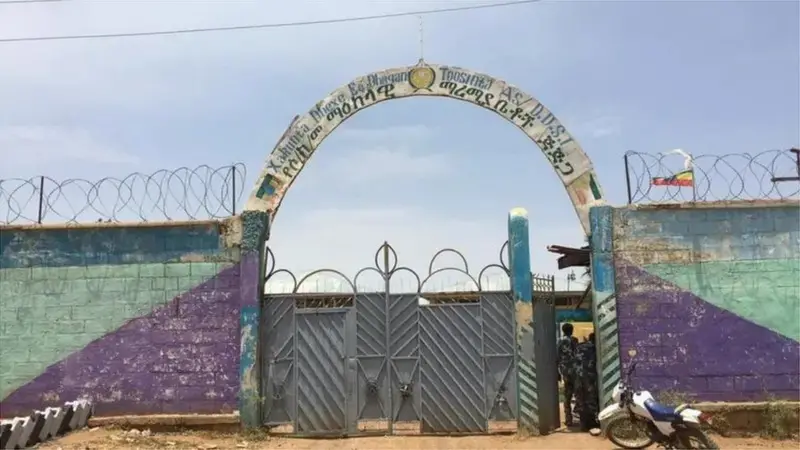
The Somali Regional State (DDS) has announced plans to transform Jeel Ogaadeen, the prison with a history of active human rights violations, into a memorial center. This memorial will serve as a testament to the victims and provide documentation of the atrocities committed for such a prolonged period within its walls. According to regional authorities, the decision comes in accordance with the public demand to build a site that memorializes those who suffered and punishes processes that would give room for recurrence.
An Abode of Nasty Abuses of Human Rights
For ages, Jeel Ogaadeen in Jigjiga was notoriously regarded for its inhuman treatments on prisoners, many of them reportedly for their alleged political affiliations as well as opposition activities. Tellings encompass horrific realities of tortures, filthy and overcrowded conditions for inmates, forced labor, and sexual offenses.
Foosiya Abdikarin Abdulkadir, Deputy Chairperson of the DDS Atrocities Investigations Committee, added that the transformation of the prison into a memorial is about remembrance and, furthermore, about justice and healing. “This site witnessed great human suffering, and it is the need of the hour for us to acknowledge the history of suffering, bring closure to survivors, and chart a course of existence that guards against any recurrences of the past,” she said.
This decision comes fast on public requests intensified after the 2018 political transition when the prison was to remain closed. The memorial comes as part and parcel of broader engagements to help deal with the legacies of human rights violations in efforts toward national reconciliation.
Witness Accounts of Vilified Inmates
Former inmates tell some of the harrowing testimonies of abuses they endured behind the prison walls of Jeel Ogaadeen;
– Ali Hassan described his 20 months in a dark, overcrowded cell as a prison guard who was later wrongfully accused and imprisoned. Physical torture, extreme deprivation, and constant humiliation were forced on him. “They crammed us into a tiny cell, together like an animal. Every night, the guards would come in and flood the room with water to force us never to sleep,” he recounted.
– Maryam Mo’alim Abdullahi, who spent 10 years and 8 months in detention, testified to the horrific treatment of women prisoners, which included systematic sexual violence. Women were often taken from their cells under the pretense of giving assistance to prison officials, to be sexually exploited. The long-term effects of the abuse left her with severe health conditions, forcing her to rely on medical diapers. “The torture was endless. Day and night, I will never forget the torture inflicted on me.”
A Step Towards Justice and Healing
The conversion of Jeel Ogaadeen into a memorial is a commitment of the DDS in acknowledging the bitter tides of politics of injustice in the later years, and providing for accountability and healing. The Human Rights Violations Investigative Commission of DDS, which was formed in 2022, is mandated to research and document the history of the prison, guaranteed that the voices of the victims will be heard.
Though Jeel Ogaadeen was not the only place of detention and abuse in the region, it still remains a potent symbol of state repression and suffering. The conversion of the facility into a memorial is a landmark step to ensure the historical truth of the people and promote human rights in the Somali Regional State.
By looking to the past, DDS hopes to curtail further violations, thus providing a scenario where the survivors will tolerate the dignity of the very people of the land into a more just and humane society.