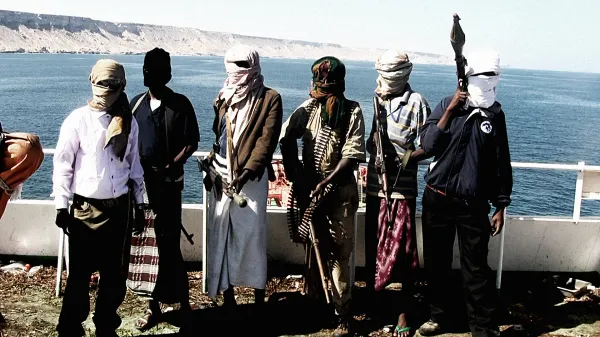
Somali piracy appears to be on the rise, with two separate attacks being reported within two weeks. The European Union Naval Force (EUNAVFOR) ATALANTA revealed that, on the 17th of the present month, they received a report of a suspected pirate attack on a Yemeni-owned vessel named Garmaal. This vessel was attacked while on the verge of the coast of Eyl, a district in Puntland. As stated by the Euroean Forces, they are in the process of investigating the event in coordination with the Yemeni Coast Guard and the Puntland Maritime Police Force (PMPP).
This incident occurred merely 10 days after Somali pirates took control of the fishing vessel Al Najma, which was registered under the flag of Yemen. The vessel was hijacked on February 8, 2009, but successfully freed on February 13 following EUNAVFOR ATALANTA operation. EU officials confirmed the execution of a rapid response mission deploying naval forces and a helicopter to the attack site. The operation was a success, ending with the release of the vessel, but investigations still proceed in order to build up cases against the attack.
The return of piracy has been linked to the economic crisis in Somalia. According to former intelligence boss in Puntland Abdi Hassan Hussein (Abdi Yare), unemployment, illegal fishing, and poorly regulated licensed fishing have contributed to a sense of grievance among local youth. From these and other historical reasons, piracy is again drawing armed groups back to a profitable trade of hijacking ships for ransom.
Piracy has been on the decline in recent years, but reports have surfaced indicating attacks along the Somali coast in the last two years. Alone, Somali pirates conducted 160 attacks in 2011, the United Nations has claimed. From 2005 until 2012, pirates operating in the Horn of Africa extorted ransoms costing between $339 million and $413 million. Now maritime security experts warn piracy has begun to make a re-appearance and poses a serious threat to international trade and the safety of merchant vessels navigating the waters off Somalia.