A revolutionary gene therapy-based treatment has yielded promising results in children born with inherited blindness so severe that they are likely to remain blind. This revolutionary treatment developed by Moorfields Eye Hospital in London aims to treat Leber congenital amaurosis (LCA), a rare genetic disorder that causes rapid vision loss from birth.
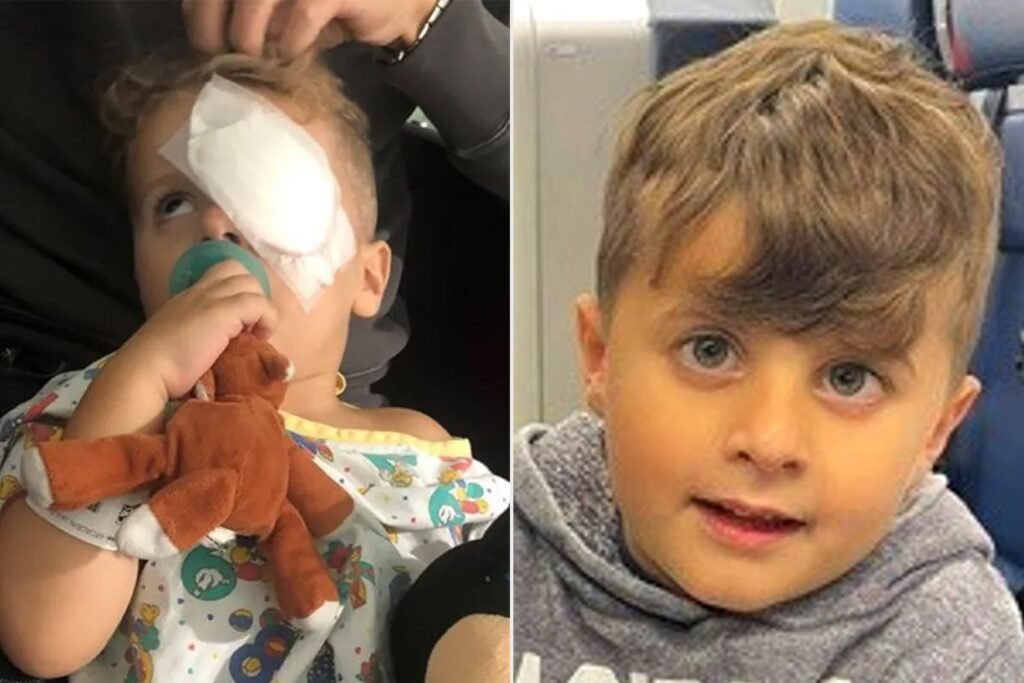
Among the children who participated in the trial was Jess, a two-year-old girl from Connecticut. She had been diagnosed with LCA and had received gene therapy to replace faulty genes with healthy genes inserted into the back of her eyes. Only a month after the procedure Jess’ success was striking in that she was able to see sunlight for the first time her father Brendan described as “amazing” as she began interacting with the environment in a way she had never done before.
Professor James Bainbridge, a leading eye surgeon at Moorfields, said that intervention at an early stage could fundamentally change a child’s development and socialization. The trial showed that, in four children from the USA, Turkey, and Tunisia, improvement in vision far exceeded expectations.
It is a therapy where healthy genetic material is injected into the retina by researchers at University College London, thereby repairing the ocular cells that are damaged and thereby causing blindness. “Treatment shows new hope candidates that being born with genetic eye conditions do not necessarily have to live without vision for long.”
Researchers are optimistic that, as developments continue on the treatment, it will become available to more affected children worldwide and bring the idea of sight to those with inherited blindness.